
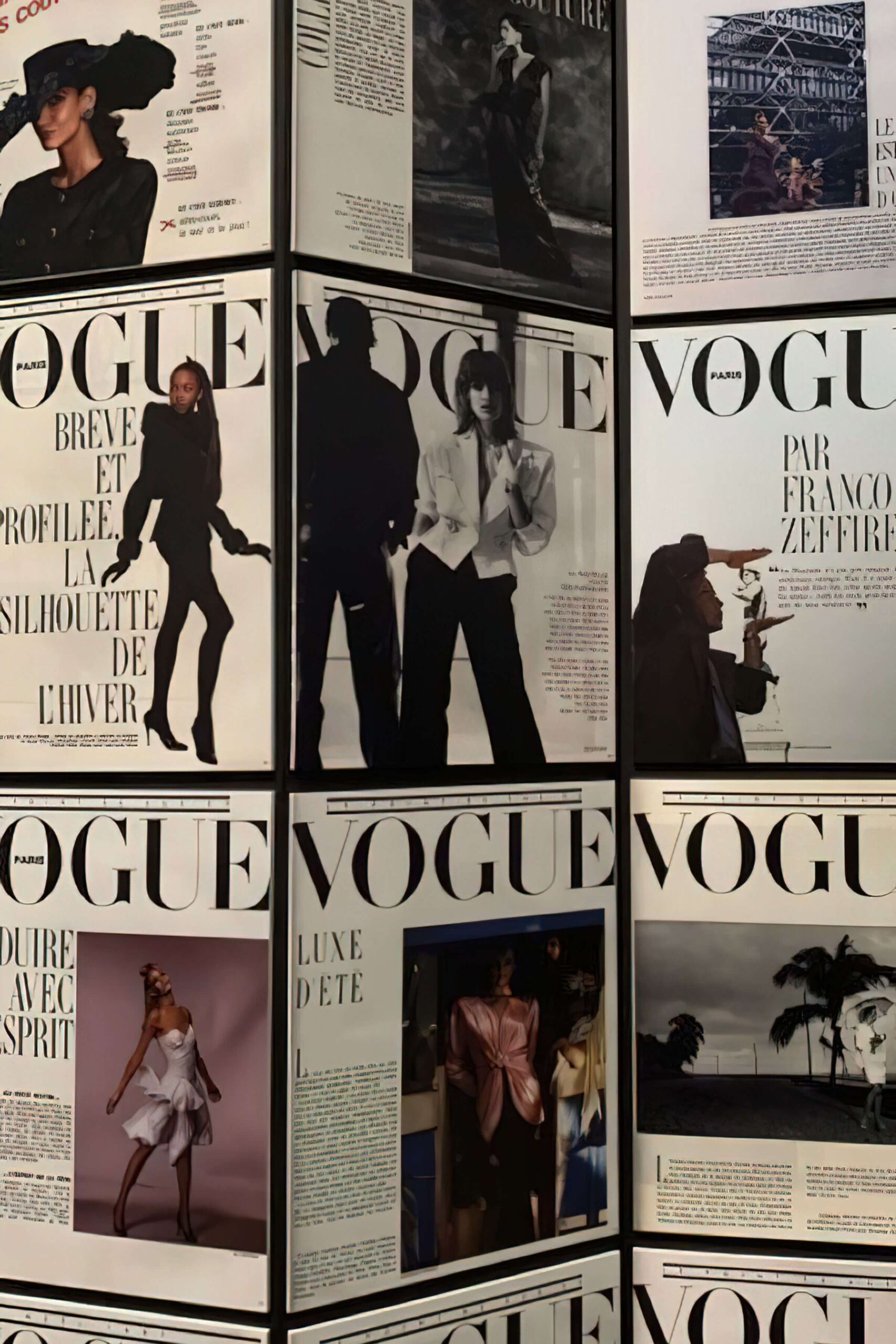


In an era where every feed feels like a mirror of the next, luxury branding in the age of digital saturation demands more than beautiful imagery — it requires strategy. When every entrepreneur is vying for attention with the same aesthetic tropes and templated language, the brands that rise above the noise aren’t necessarily louder; they’re smarter.
Luxury has always been about restraint, precision, and emotional resonance. In the digital age, that hasn’t changed — it’s simply evolved. The modern luxury brand must master the tension between accessibility and aspiration, intimacy and scale.
The Shift from Attention to Intention
Today’s audience is overexposed and under-inspired. What used to captivate — glossy visuals, cinematic slow motion, aspirational slogans — now blends into the background.
This is where strategic luxury branding steps in. The brands that still command desire are the ones that use editorial discipline: fewer words, clearer direction, deeper storytelling. They know that magnetism isn’t about constant posting — it’s about creating digital presence that feels inevitable.
In their article “Luxury Branding in the Digital Age: What Gen Z Wants,” Boston Brand Media explains how luxury brands now win not simply through heritage, but through digital strategy that honours both exclusivity and experience.
Why Digital Overexposure Dilutes Perception
Every platform rewards visibility. But luxury brands don’t chase the algorithm — they control their narrative.
The problem with digital saturation is sameness. Everyone is publishing content, posting daily, “showing up” online — but very few are creating presence. Luxury operates on a different rhythm: deliberate, thoughtful, curated.
The modern luxury consumer doesn’t just want access; they want alignment. They gravitate toward brands that move with purpose — those whose digital strategy feels intentional, not impulsive.
That’s the secret to standing apart: move slower, mean more.
What Strategy Looks Like in Modern Luxury Branding
Here’s what separates strategic luxury brands from the digital blur:
- Editorial Cohesion: Every channel, from your website to your welcome sequence, should feel like one continuous story — not scattered content
- Visual Restraint: Elegance is clarity. Design choices should frame your message, not fight for attention
- Narrative Authority: The brand voice must sound like it belongs to the category leader — calm, confident, and exacting
- Intentional Visibility: Choose where and when to appear. Saturation without precision dilutes perception
When these principles are in play, your audience no longer sees you as “another online business.” You become the benchmark — the brand that defines the category standard.
Turning Presence into Prestige
For founders and service providers navigating the luxury market, differentiation begins with structure — not just visuals. The architecture of your digital brand is what determines whether someone sees your offer as premium or replaceable.
Inside our High-Ticket Signature Program, we guide entrepreneurs through the same frameworks used by legacy luxury brands to create timeless value propositions and high-converting narratives that scale.
And if your online presence doesn’t yet look like it matches your expertise, explore our Website Template Shop — a curated collection of editorial-grade, conversion-optimized Showit designs built to position you at the top of your niche.
Luxury Isn’t About Noise — It’s About Nuance
Digital saturation has made clarity the new exclusivity. The brands that win the next decade will be those that understand the power of deliberate simplicity — the ability to do more with less, and say more by saying less.
In luxury branding, silence isn’t absence — it’s authority.


Share to: