
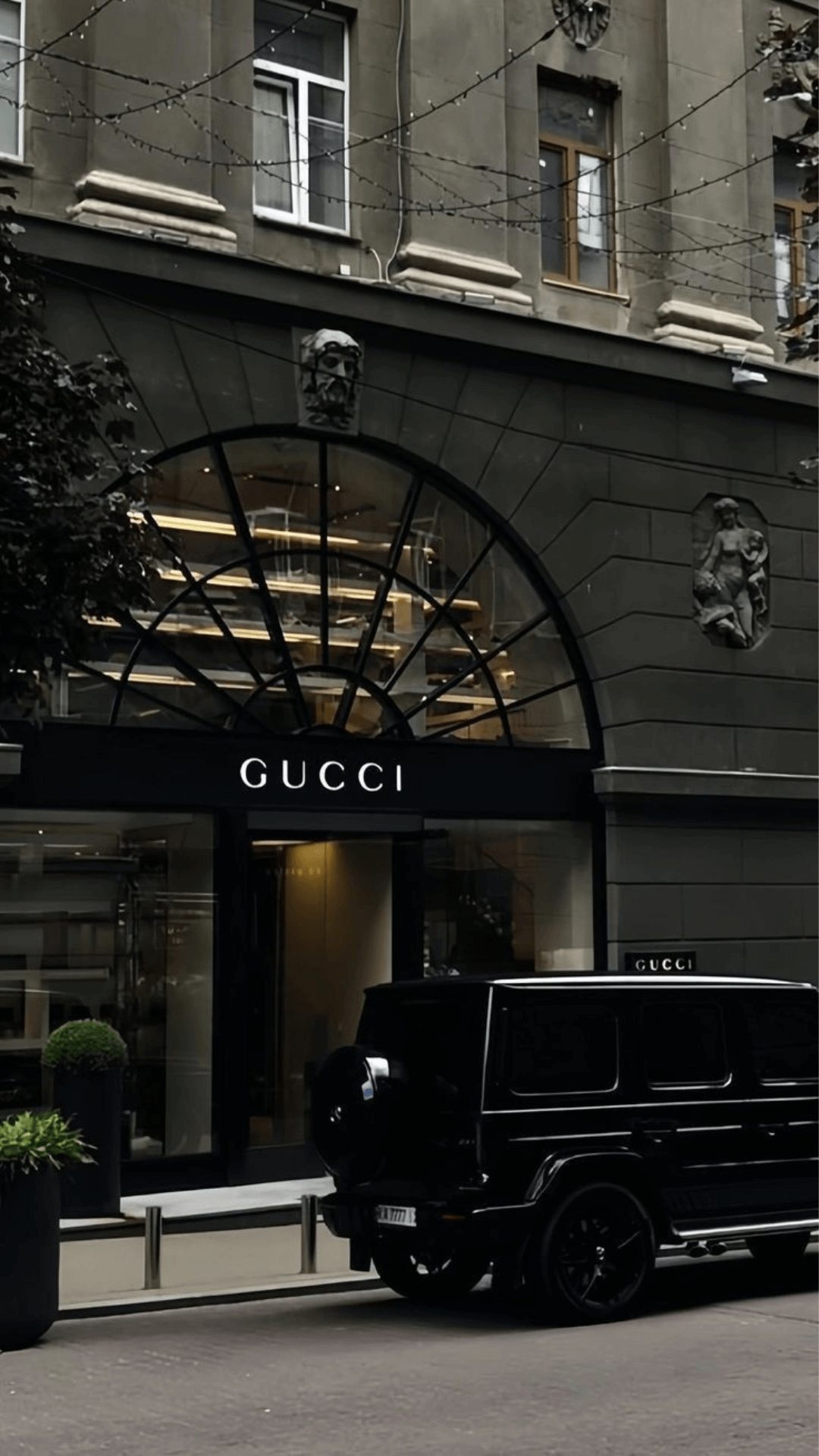


Price isn’t a number. It’s a message.
Every time you present an offer, your price tells a story—about your confidence, your boundaries, and the level of transformation you’re capable of delivering. That’s the art of premium pricing psychology: understanding that what your client buys isn’t just a service. It’s a signal.
The moment you stop treating price as math and start treating it as meaning, you unlock the strategy that sells itself.
Price Is the Language of Value
Most entrepreneurs think of pricing as arithmetic—costs, margins, market averages. But high-ticket founders know that price lives in psychology. It communicates where you sit in the market before a single testimonial, funnel, or ad.
When your price is aligned with your value, it attracts the right buyer by default. It pre-qualifies them. It tells them you play at their level.
As Forbes explains, the ability to charge premium rates isn’t about inflating numbers—it’s about clarity and conviction. Clients pay more when they sense certainty. Price becomes shorthand for trust.
Premium pricing, then, is not a tactic. It’s a psychological contract.
The Confidence Equation
High-ticket buyers don’t buy because you convinced them; they buy because you confirmed what they already suspected—that they’re ready for this level of transformation.
When you underprice, you confuse that confirmation. You send mixed signals. You’re saying: I promise exceptional results, but I don’t believe they’re worth much.
A well-calibrated premium price resolves that contradiction. It says: This is serious. This will work. This is worth it.
Price becomes an act of leadership.
Inside our High-Ticket Signature Program, we help founders master that calibration—because confidence isn’t a mood. It’s a metric.
The Illusion of “Worth More”
Raising prices isn’t the point. Anyone can add a zero. The mastery lies in crafting the structure, systems, and delivery that make the higher price feel self-evident.
Think of price as the visible tip of an iceberg. Beneath it lies your delivery framework, your client experience, your promise architecture. The deeper and cleaner that foundation, the easier it is for the market to believe you.
Premium pricing psychology works when the transformation feels tangible, the process feels inevitable, and the presentation feels congruent.
When those three align, persuasion becomes redundant.
Why Clients Want to Pay More
Here’s the paradox: raising your prices can actually make selling easier.
High-performing clients aren’t buying to minimize risk; they’re buying to minimize uncertainty. A higher price signals competence, attention, and curation—exactly what they want.
Behavioral economics calls this price-quality inference: our brains equate higher cost with higher reliability. In service businesses, that inference is amplified because the “product” is invisible until after purchase.
When your price is low, clients subconsciously expect friction. When it’s high, they expect excellence—and behave accordingly.
That’s why premium pricing isn’t exclusionary. It’s efficient. It filters for commitment on both sides.
The Design of Perception
Premium pricing psychology extends beyond numbers—it’s embedded in your environment.
Your copy, visuals, and systems must look and feel equal to the price. You can’t sell elegance in a chaotic setting. A client’s first interaction with your brand should communicate precision before you ever mention price.
That’s why so many founders in our community begin with the Website Template Shop—a fast track to congruence between visual design and strategic positioning.
Your price tells a story. Your design proves it’s true.
The Energy of Refusal
Premium strategy means knowing when not to discount, when not to negotiate, and when to let misaligned prospects go.
Because exclusivity is not about denial—it’s about discipline. Every “no” preserves the value of your “yes.”
It’s counterintuitive, but walking away from a misfit client often attracts three more of the right kind. Why? Because confidence is magnetic. When you enforce your value, you demonstrate it.
That’s the psychological trigger behind pricing power: certainty creates curiosity, and curiosity converts.
When Pricing Becomes Marketing
At its highest level, premium pricing psychology turns your offer itself into marketing collateral.
A premium price reframes you as a category leader. It anchors every conversation around excellence instead of affordability. It compels the client to meet your standards, not the other way around.
That’s why the most effective premium entrepreneurs don’t just use price to make profit—they use it to shape perception. Their price becomes the proof of their process.
And in the end, that’s what “selling itself” truly means.
Ready to Build Pricing That Speaks for You?
If you’re ready to architect an offer that earns premium investment without resistance, our High-Ticket Signature Program will walk you through the frameworks, psychology, and systems that make effortless sales possible.
Because at the highest level of business, price isn’t a barrier—it’s a mirror. It reflects how clearly you see your own value.






Share to: